The Unique Challenge of Chemical and Fertilizer Environments
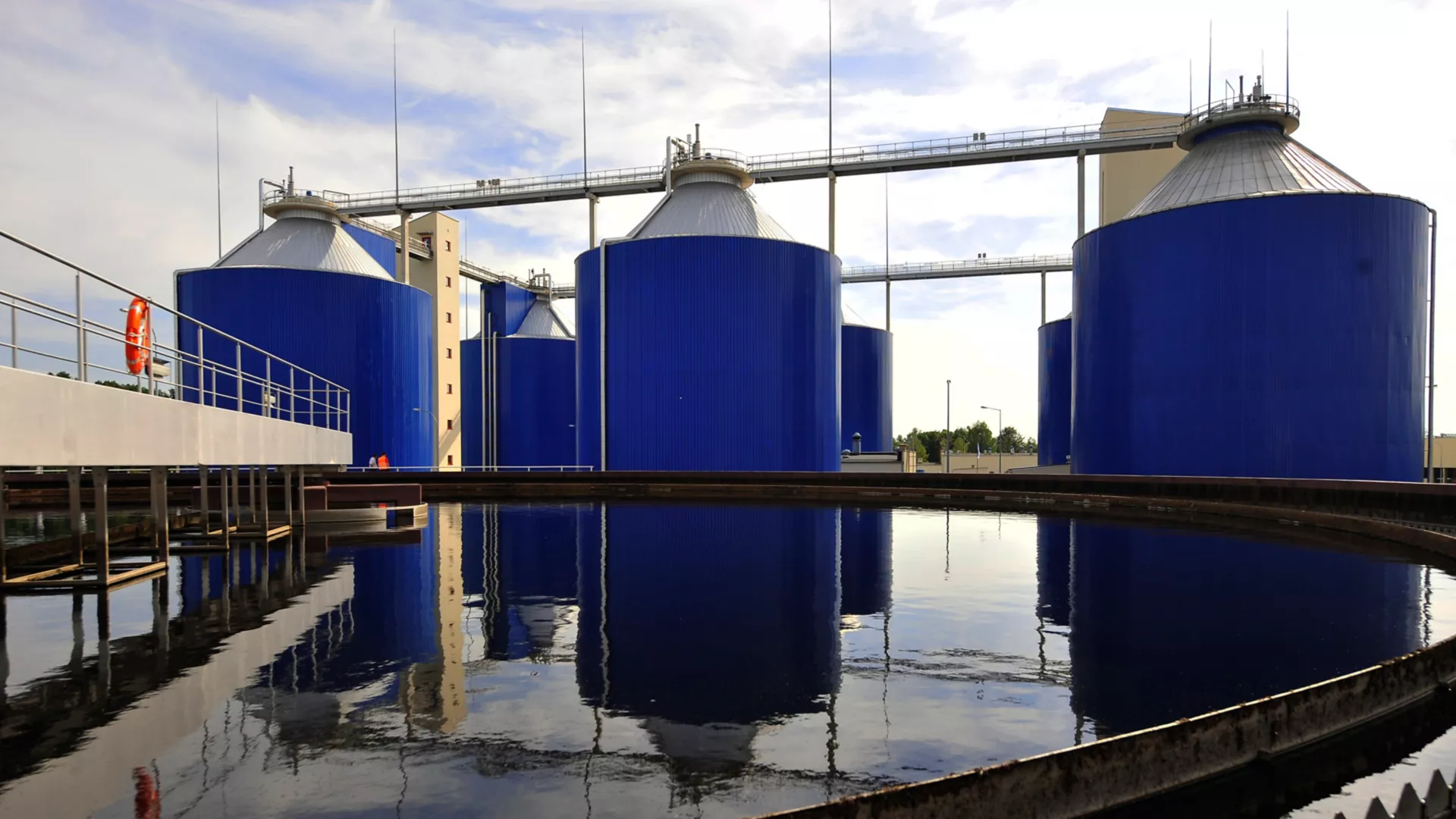
Storage tanks in fertilizer and chemical plants face one of the most aggressive exposure combinations in industrial asset management. They must resist concentrated acids, alkalis, ammonia derivatives, chloride-rich solutions, and in many cases cyclic thermal stresses as product temperatures vary during loading and discharge cycles. In the Indian context, high ambient humidity and temperature amplify the corrosion rate on unprotected or inadequately coated steel, making the choice of chemical resistant tank lining a critical engineering decision rather than a procurement afterthought.
Why Standard Coatings Fail in These Environments
Conventional epoxy coatings, while effective in atmospheric service, are often inadequate for full immersion in aggressive chemical media. A fertilizer plant coating system must resist ammonium nitrate, urea solutions, phosphoric acid, and sulphate compounds simultaneously — a combination that rapidly degrades standard binder systems. Coating delamination, blistering, and pinholes — even microscopic ones — create pathways for chemical attack that quickly leads to catastrophic corrosion of the steel substrate.
Recommended Coating Systems by Tank Service
Sulphuric and Phosphoric Acid Storage
For tanks handling concentrated mineral acids, epoxy lining for chemical tanks using high-build novolac epoxy systems offers the best balance of chemical resistance and application practicality. Novolac epoxies have a higher cross-link density than standard epoxies, which translates to better resistance against acid penetration and solvent attack. Typical dry film thickness for immersion service is 500 to 750 microns, applied in multiple coats.
Ammonia and Fertilizer Solution Tanks
For ammonia, urea, and ammonium nitrate storage, the fertilizer plant coating system of choice is typically a coal tar epoxy or a glass flake reinforced epoxy. Glass flake systems create a tortuous path for diffusing chemicals, dramatically extending the effective barrier life. Storage tank paint India specifications for fertilizer service commonly require a blast-cleaned substrate to Sa 2.5, followed by a zinc-rich primer and two coats of glass flake epoxy.
Chlorine and Hypochlorite Service
Tanks handling chlorine compounds demand a rubber lining or a high-performance chemical resistant tank lining based on vinyl ester or epoxy phenolic chemistry. Rubber linings — natural, neoprene, or butyl — are bonded directly to the blast-cleaned steel and vulcanised in place, providing a seamless barrier with outstanding flexibility and chemical inertness.
Application Standards for Industrial Tank Coating Solutions
The performance of any industrial tank coating solution is only as good as the application that delivers it. Key requirements for corrosion protection storage tanks include:
- Surface preparation to Sa 2.5 minimum (Sa 3 preferred for immersion service)
- Surface profile of 50 to 75 microns Rz to ensure adequate anchor pattern
- Coating application within the humidity and temperature windows specified by the manufacturer
- Holiday (spark) testing of completed lining to detect pinholes before tank commissioning
- Full cure time observed before product introduction, typically 7 to 14 days at ambient temperature
Maintenance and Inspection Cycles
Even the best chemical plant paint system India specification will require periodic inspection and maintenance. Tank linings in aggressive service should be holiday-tested and visually inspected every two to three years. Early detection of pinhole corrosion, blister formation, or edge creep allows targeted spot repair before full lining failure necessitates a complete recoat — which is significantly more disruptive and costly.
Partner with Experts
Ashok Paint Agencies supplies proven chemical resistant tank lining systems and chemical plant paint system India solutions from leading manufacturers with established track records in fertilizer and petrochemical service. Reach out to our technical team for a system recommendation tailored to your specific tank service conditions.