The Gold Standard in Anti-Corrosion Priming
Among the range of corrosion protection coating options available for structural steel, the epoxy zinc rich primer stands apart as the most widely specified and most thoroughly proven system in demanding industrial and infrastructure applications. Understanding why zinc-rich primers perform as they do , and how to specify and apply them correctly , is essential for any engineer or maintenance manager responsible for steel asset protection.
How Zinc-Rich Primers Work
Galvanic (Cathodic) Protection
The principle behind a zinc rich primer is electrochemistry. Zinc is anodic to steel in the galvanic series , meaning that when both zinc and steel are present in an electrolyte (moisture), zinc corrodes preferentially, sacrificing itself to protect the steel. A zinc epoxy primer, with its high loading of zinc dust in the dried film (typically 77 to 85% zinc by weight in the dry film), creates a matrix of zinc particles in electrical contact with each other and with the steel substrate. This galvanic couple actively protects the steel even if the primer coating is mechanically scratched or damaged , a fundamental advantage over purely barrier-based anti-corrosion primer systems.
Barrier Protection
In addition to galvanic protection, an epoxy zinc rich primer also functions as a physical barrier, particularly as the film ages and the outer zinc particles are progressively consumed. The corrosion products of zinc , zinc hydroxide and zinc carbonate , are relatively insoluble and fill the pores of the film, progressively improving its barrier resistance over time. This dual mechanism , active cathodic protection when fresh, improving barrier performance as it ages , gives zinc-rich primers their exceptional longevity in aggressive environments.
Organic vs Inorganic Zinc-Rich Primers
Epoxy Zinc-Rich (Organic)
The zinc epoxy primer uses an epoxy binder to hold the zinc particles in the film. Organic zinc-rich primers are more forgiving in application , they tolerate slightly lower surface cleanliness standards (Sa 2.0 in some systems rather than strict Sa 2.5), have better resistance to overcoating window errors, and are less sensitive to humidity during application than inorganic alternatives. They are the most common choice for field-applied structural steel coating in Indian industrial environments.
Inorganic Zinc Silicate Primers
Inorganic zinc silicates use a silicate binder that chemically bonds to the steel surface, creating a higher-performance zinc rich primer with better temperature resistance (up to 400°C in some formulations), superior solvent resistance, and excellent abrasion resistance. They are the preferred corrosion protection coating for shop-primed structural steel in very severe environments and offshore applications, but demand near-perfect surface preparation (Sa 2.5/Sa 3) and careful environmental control during application and cure.
Performance Requirements and Standards
Key standards governing zinc-rich primers include:
- ISO 12944-5: specifies generic coating types for corrosivity categories , zinc-rich primers are required for C4 and C5 systems
- ISO 3549: specifies the zinc dust pigment requirements for zinc-rich coatings
- SSPC-Paint 20: US standard for zinc-rich primers, with Type I (inorganic) and Type II (organic) classifications
- NORSOK M-501: Norwegian offshore standard that specifies inorganic zinc silicate as the mandatory primer for offshore structural steel
Application Requirements for Zinc Rich Primers
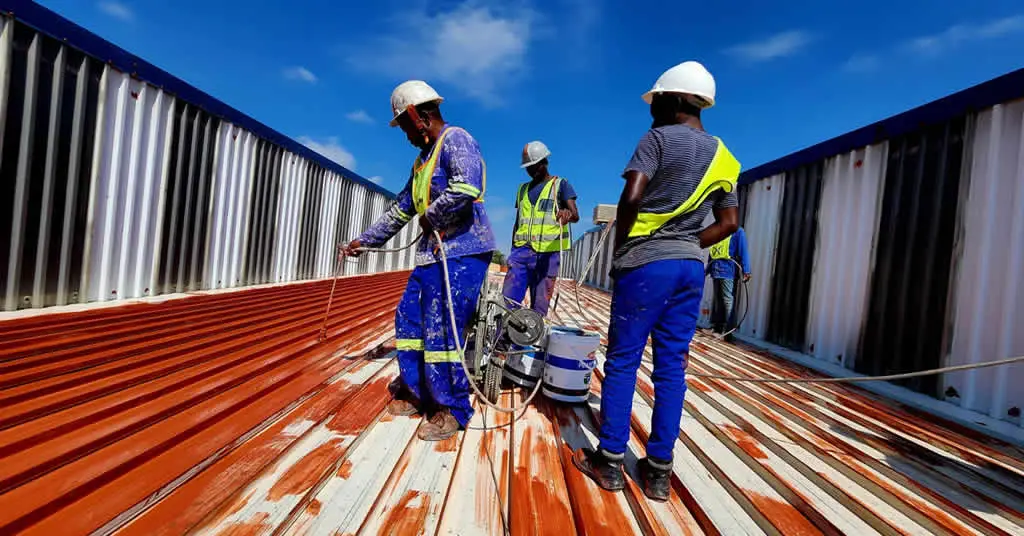
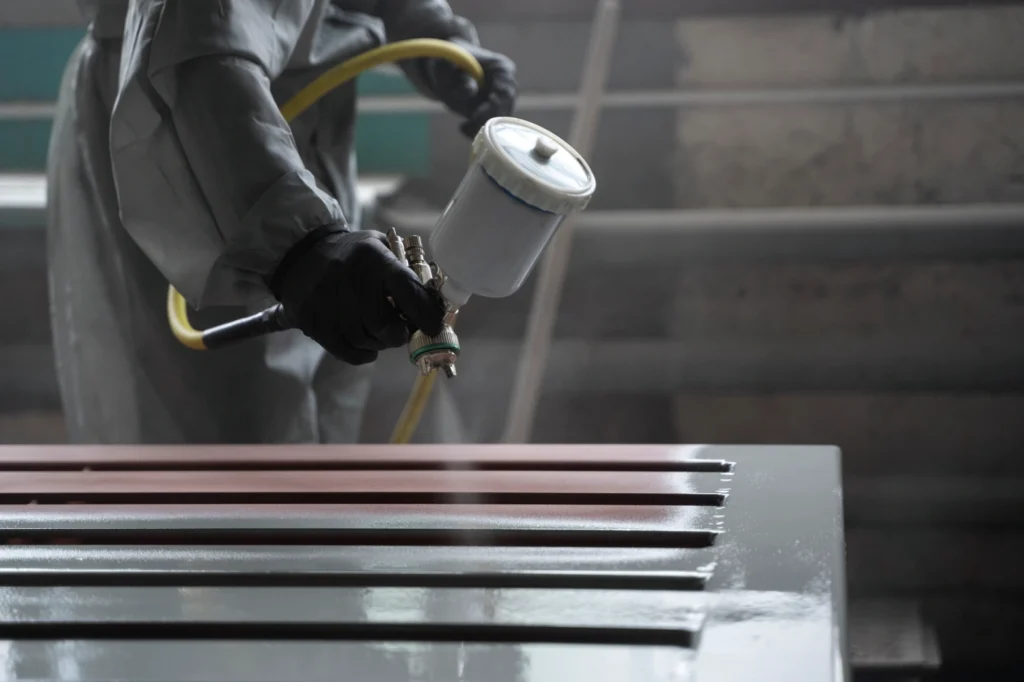
The performance of any zinc epoxy primer depends critically on correct application:
- Surface preparation: Sa 2.5 minimum for epoxy zinc-rich; Sa 2.5 to Sa 3 for inorganic zinc silicate
- Surface profile: 40 to 70 microns Rz to ensure adequate zinc particle contact with the steel surface
- Mixing: always mix the zinc paste and binder components thoroughly before use , settling of zinc dust is common and incomplete mixing leads to non-uniform zinc loading in the applied film
- DFT: target the specified range carefully , excessive DFT on zinc-rich primers can cause mud-cracking and cohesive failure
- Overcoating: ensure the primer has fully cured before overcoating , solvent entrapment under the intermediate coat from a partially cured zinc primer causes blistering
Where Epoxy Zinc-Rich Primers Are Specified
- Structural steel for bridges, flyovers, and elevated highways
- Oil and gas process plant structural steelwork and pipe racks
- Power plant boiler supports, turbine halls, and cooling tower structures
- Offshore platform topsides and jacket structures
- Chemical plant equipment frames and storage tank externals in severe environments
Source Your Zinc Primers from a Trusted Supplier
Ashok Paint Agencies is an established zinc primer supplier India plant engineers and EPC contractors trust for quality, availability, and technical support. We supply epoxy zinc rich primer and inorganic zinc silicate systems from Berger Protecton, Asian Paints PPG, Hempel, and AkzoNobel , all with full technical data and system specification support. Contact us at ashokpaintagencies.com to specify the right anti-corrosion primer for your project.