

Your cart is currently empty!.
You may check out all the available products and buy some in the shop.
Continue ShoppingExplore trends, tips, and inspirations across lifestyle, design, health, home, and fashion
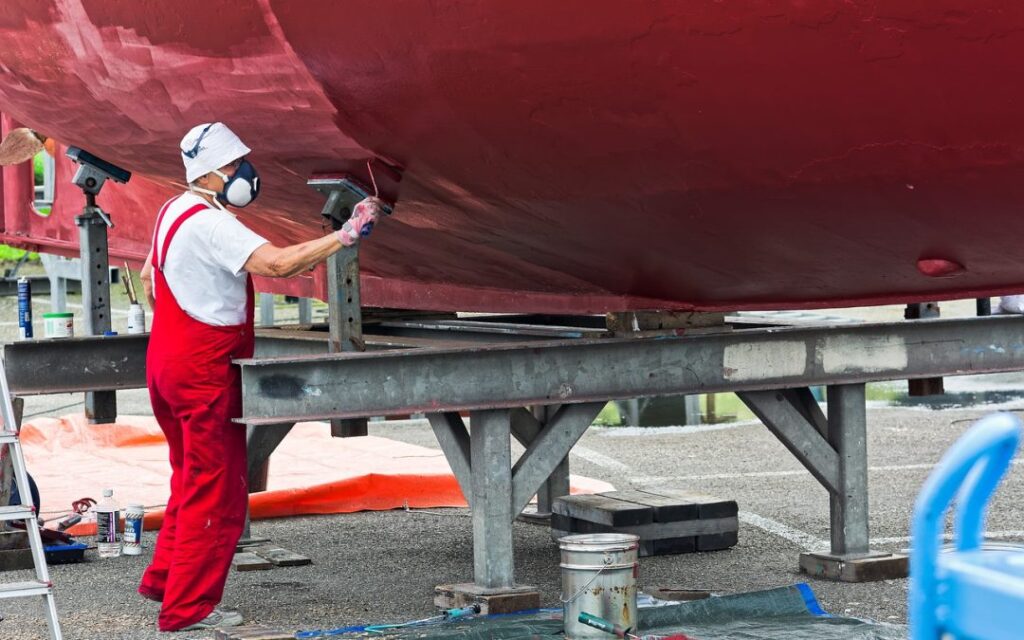
Understanding Coal Tar Epoxy Coal Tar Epoxy is a two-component coating system formed by combining an epoxy resin with coal tar, a by-product of…
Pipelines: The Arteries of Industrial Facilities Industrial pipelines carry the process fluids, utilities, and services that keep manufacturing plants, refineries, power stations, and water…
The Coating Starts at the Fabrication Stage For steel fabricators supplying structural steel to refineries, power plants, bridges, industrial buildings, and process equipment manufacturers,…
Why Supplier Selection Is as Important as Product Selection When specifying industrial coatings for a major plant project or maintenance programme, the natural focus…
Why Road Marking Material Selection Matters Road markings are safety-critical infrastructure. Lane lines, pedestrian crossings, stop lines, directional arrows, and speed markings guide vehicle…
A Coating Chemistry with a Long Track Record Chlorinated rubber coatings have been used in industrial protective coating applications for nearly a century. While…
When Standard Coatings Cannot Survive Conventional organic coating systems , epoxies, polyurethanes, alkyds , begin to degrade at temperatures above 120 to 150°C. At…
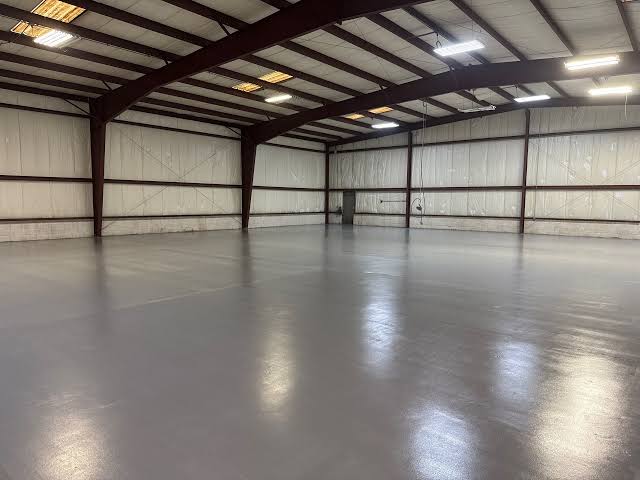
Why Warehouse Floors Demand Specialist Coatings The floor of a busy warehouse is one of the most mechanically stressed surfaces in any industrial facility.…
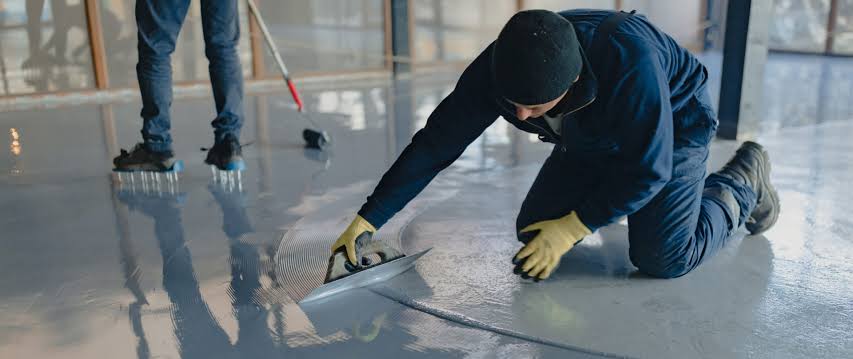
What Is Self-Levelling Epoxy Flooring? Self levelling epoxy flooring is a two-component epoxy system formulated at a low viscosity that, when poured onto a…
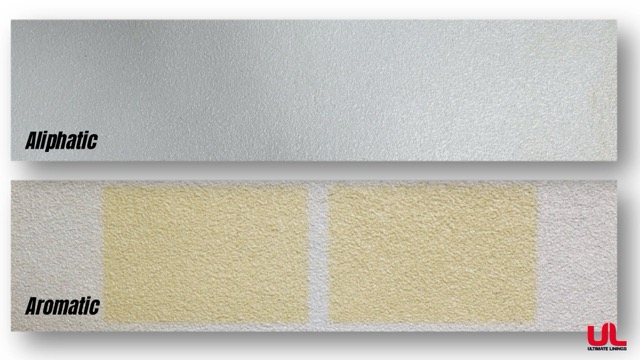
Two Families Within One Chemistry Polyurethane coatings are among the most versatile and widely used finish coats in industrial painting. But within the polyurethane…