A Coating Chemistry with a Long Track Record
Chlorinated rubber coatings have been used in industrial protective coating applications for nearly a century. While newer chemistries , epoxies, polyurethanes, and fluoropolymers , have displaced chlorinated rubber paint in many high-specification applications, chlorinated rubber systems retain a well-defined and valuable niche in certain industrial environments. Understanding where chlorinated rubber coating excels, and where its limitations apply, helps specifiers make well-informed system selection decisions.
What Is Chlorinated Rubber?
Chlorinated rubber is produced by reacting natural rubber with chlorine gas, producing a thermoplastic polymer with a high chlorine content (typically 60 to 68% by weight). This high chlorine content is the source of its key properties: excellent chemical resistance to acids, alkalis, and water; low moisture vapour transmission; and good resistance to inorganic chemicals. As a one-pack (single-component) coating, chlorinated rubber paint cures purely by solvent evaporation , there is no chemical crosslinking reaction, making it re-soluble in its own solvents and readily overcoatable without the strict overcoating windows that govern two-pack systems.
Key Properties of Chlorinated Rubber Coatings
- Chemical resistance: excellent resistance to a wide range of inorganic acids, alkalis, and salt solutions , one of the key reasons for continued industrial protective coating use in chemical and water treatment plant environments
- Water resistance: very low moisture vapour transmission rate, making chlorinated rubber coating effective as a barrier system for water-immersed or splash zone applications
- Re-coatability: because chlorinated rubber paint cures by solvent evaporation and is thermoplastic, it can be overcoated with compatible systems at any time without intercoat adhesion concerns , a practical advantage for maintenance painting
- Fast drying: solvent-evaporation cure means chlorinated rubber primer and topcoat systems can be overcoated quickly, accelerating project completion
- Low temperature application: unlike two-pack epoxies, chlorinated rubber coatings can be applied at temperatures as low as 0°C, making them suitable for winter maintenance painting
Limitations of Chlorinated Rubber Coating
Chlorinated rubber paint has important limitations that must be understood when selecting systems:
- Limited temperature resistance: maximum service temperature of 60 to 70°C , above this the thermoplastic binder softens and flows
- Solvent content: chlorinated rubber systems are traditionally high in VOC, placing them under increasing regulatory pressure in environments with solvent emission controls
- UV resistance: moderate UV resistance , chlorinated rubber topcoat maintains acceptable performance but is not as UV-stable as aliphatic polyurethane
- Environmental regulations: in some jurisdictions, the manufacture and use of chlorinated rubber coatings is restricted due to the organohalide chemistry involved , check current Indian regulatory status before specification
Where Chlorinated Rubber Coating Is Still Specified
Water Treatment and Swimming Pool Structures
The combination of excellent water resistance, chemical resistance to chlorine and treatment chemicals, and re-coatability makes chlorinated rubber coating the traditional specification for swimming pool interiors, water treatment plant channels and tanks, and cooling water systems. Many water authorities in India continue to specify chlorinated rubber primer and topcoat systems for this application due to their long, proven track record.
Chemical Plant , Inorganic Chemical Service
For structural steel and concrete in inorganic acid or alkali environments , fertilizer plants, chlor-alkali facilities, and water treatment chemical dosing areas , chlorinated rubber chemical resistant paint provides adequate service at competitive cost. For more aggressive organic chemical environments, however, epoxy or vinyl ester systems are preferred.
Marine and Waterfront Structures
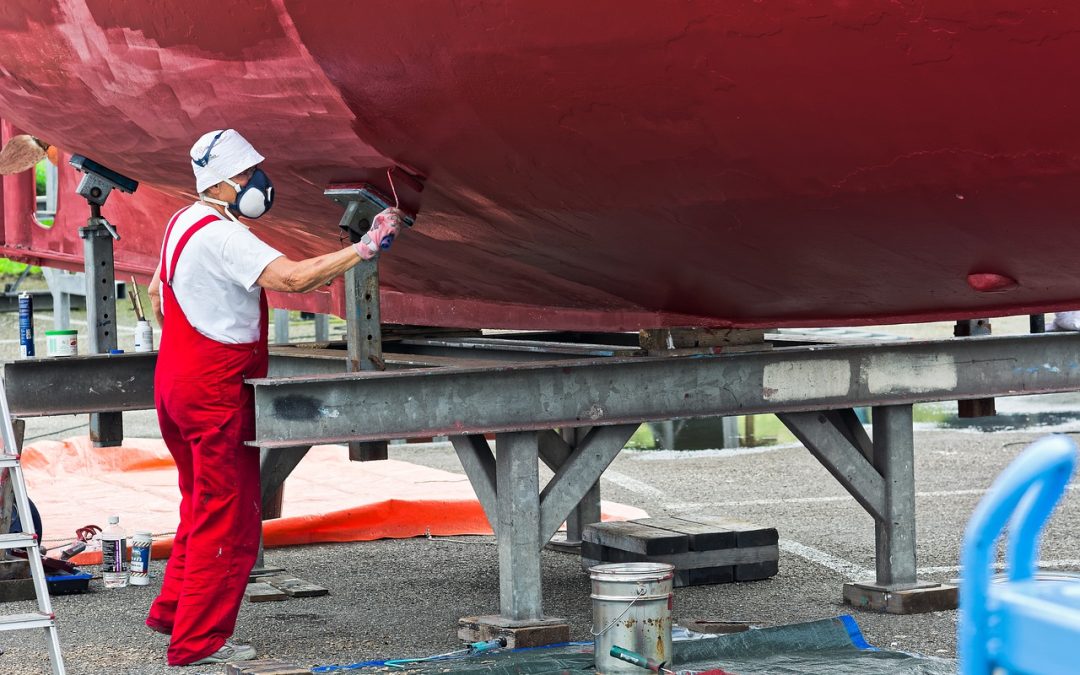
Jetties, sea walls, lock gates, and tidal structures have historically been coated with chlorinated rubber coating systems due to their water resistance and easy maintenance overcoating. Modern epoxy and polysiloxane systems have largely displaced them in new-build marine specification, but chlorinated rubber remains a practical maintenance option for recoating existing chlorinated rubber-coated structures.
Road Marking (Chlorinated Rubber Road Marking Paints)
A specialist application that remains significant , chlorinated rubber road marking paint provides a fast-drying, durable traffic marking system with good retroreflectivity when glass beads are applied. Their fast re-opening of roads to traffic is a significant advantage over slower-drying alternatives in busy urban environments.
Sourcing Chlorinated Rubber Coating Systems
Ashok Paint Agencies stocks chlorinated rubber primer, topcoat, and intermediate products for legitimate industrial protective coating applications in water treatment, chemical plant, and marine environments. Our technical team can advise on whether a chlorinated rubber paint system is appropriate for your specific application or whether a higher-performance chemical resistant paint system from our epoxy or polyurethane range would be more suitable. Contact us at ashokpaintagencies.com.