Why the Primer Decision Defines Your Coating System
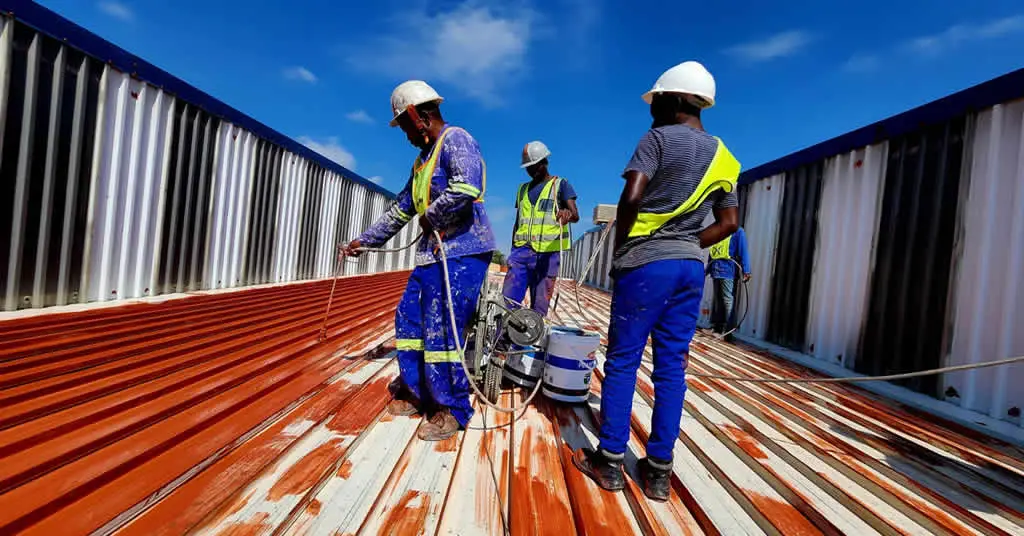
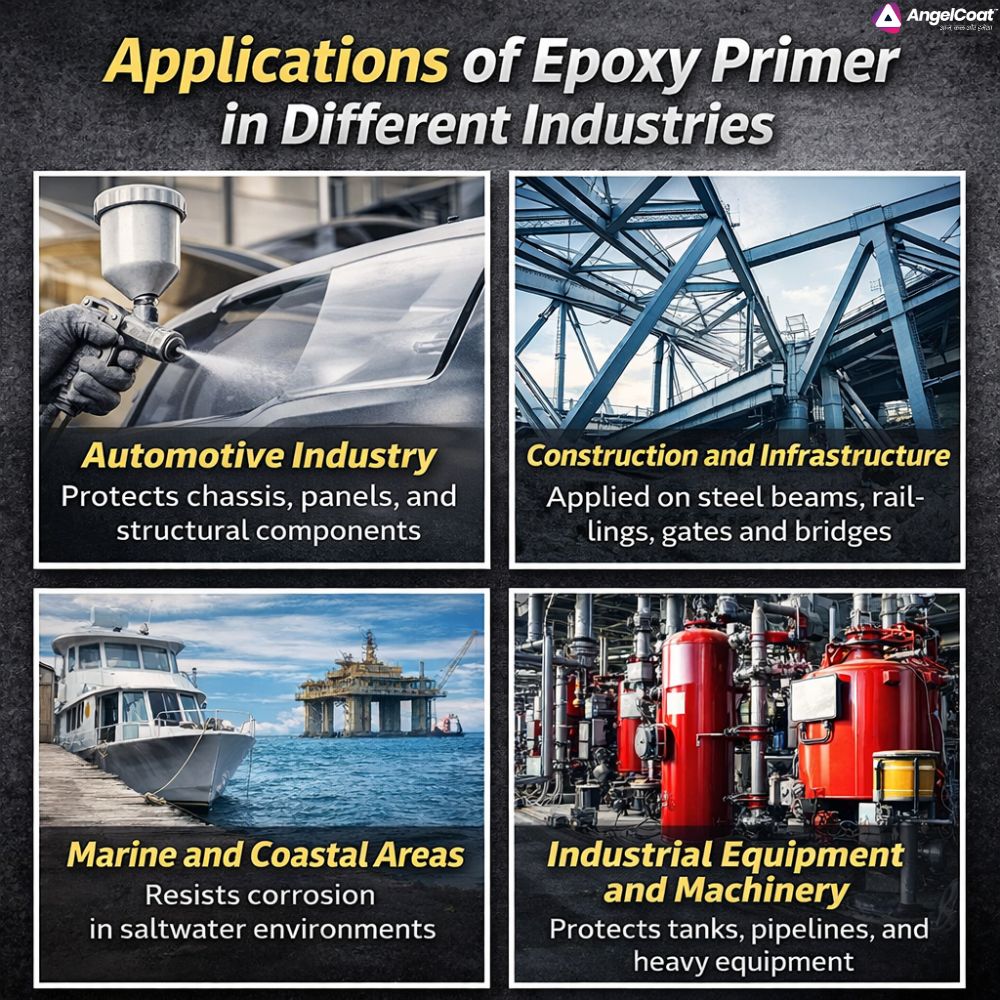
In any industrial coating system, the primer is the foundation on which everything else depends. It bonds to the prepared steel surface, provides the initial barrier against moisture and oxygen, and creates the adhesion platform for intermediate and topcoat layers. Selecting the right epoxy primer for steel is not a purchasing decision, it is an engineering decision, and getting it wrong compromises the performance of every coat applied above it.
This guide covers the key types of industrial epoxy primer, how to select the right product for your service environment, and what to look for when evaluating an epoxy primer supplier India.
Types of Epoxy Primer for Structural Steel
Epoxy Zinc-Rich Primers
Epoxy zinc-rich primers deliver cathodic (sacrificial) protection to steel. The high loading of zinc dust in the dried film, typically 80 to 85% zinc by weight in the dry film means that if the primer is scratched or breached, the zinc corrodes sacrificially in preference to the steel underneath. This makes zinc-rich epoxy primers the preferred anti-corrosion primer for structural steel in severe atmospheric environments, coastal zones, and chemical plants.
There are two variants: organic zinc-rich (epoxy binder) and inorganic zinc silicate (silicate binder). Organic zinc-rich primers are more tolerant of surface preparation variations and overcoating windows; inorganic zinc silicates offer higher temperature resistance and slightly better barrier performance when applied over perfectly blast-cleaned steel.
High-Build Epoxy Primers
High-build epoxy primers are formulated to achieve 75 to 150 microns dry film thickness in a single coat, reducing the number of passes needed to achieve total system DFT. They combine barrier performance with good adhesion to blasted steel and serve as both primer and intermediate coat in two-coat systems for moderate environments. As a steel primer paint for shop-primed fabrication, high-build epoxies offer an excellent combination of application speed and corrosion protection.
Etch Primers and Wash Primers
Etch primers contain a reactive component , typically phosphoric acid , that chemically treats the steel surface to improve adhesion. They are applied at very low film builds (5 to 15 microns) and are used primarily as a tie coat or temporary protection coat rather than as a structural anti-corrosion primer. They are most commonly used on galvanised steel, aluminium, and stainless steel surfaces where zinc-rich or standard epoxy primers may have adhesion challenges.
Surface-Tolerant Epoxy Primers
Surface-tolerant epoxy primers are formulated to adhere to marginally prepared or tightly adherent rusted steel , surfaces that cannot be fully blast cleaned due to operating constraints, restricted access, or the presence of plant in service. These industrial epoxy primer products use penetrating binder systems that displace moisture and wet out corroded surfaces. They are the preferred maintenance painting solution when Sa 2.5 blast cleaning is not achievable.

Key Selection Criteria
Service Environment
The most important factor in epoxy primer selection is the corrosivity of the service environment, classified per ISO 12944 as C1 (very low) through C5 (very high) and CX (extreme). A C3 atmosphere , typical of urban industrial environments inland , may be adequately served by a high-build epoxy primer without zinc reinforcement. A C5-M environment (marine or offshore) demands a zinc-rich anti-corrosion primer as the base layer, combined with a high-build barrier intermediate and UV-stable topcoat.
Surface Preparation Standard
Not all epoxy primers are compatible with all surface preparation standards. Zinc-rich primers generally require Sa 2.5 minimum blast cleaning for adequate zinc-to-steel electrical contact and adhesion. High-build epoxies can tolerate Sa 2.0 in some systems. Surface-tolerant primers are specifically designed for St 2/St 3 hand and power tool cleaned surfaces or marginally rusted substrates.
Overcoating Compatibility
Confirm that the selected epoxy primer for steel is compatible with the planned intermediate and topcoat products. Some fast-cure epoxies become too hard for overcoating if the overcoat window is missed, leading to inter-coat adhesion failure. Always check the manufacturer’s technical data sheet for minimum and maximum overcoat times at the anticipated ambient temperatures , a critical step often overlooked during project planning in Indian conditions where temperature variation is significant.
Practical Tips for Specifiers and Applicators
- Always specify a generic primer type in addition to a brand reference , this ensures competitive procurement without compromising technical requirements.
- Measure and record surface profile (Rz) before applying any epoxy primer for steel , inadequate profile is the leading cause of adhesion failure.
- Verify pot life compliance in field conditions , high temperatures in Indian summers significantly reduce the working life of two-component epoxy systems.
- Use wet film thickness combs during application to confirm DFT targets are being met on the first coat.
- Engage an epoxy primer supplier India with manufacturer-backed technical support, not just product supply, for critical structural projects.
Partner with the Right Supplier
Ashok Paint Agencies stocks a comprehensive range of industrial epoxy primer products from Berger Protecton, Asian Paints PPG, Hempel, and AkzoNobel , covering every corrosivity category and service condition. As a trusted epoxy primer supplier India plant engineers and contractors have relied on since 1994, we provide full technical data sheets, system specifications, and on-site application support for every product we supply. Contact us at ashokpaintagencies.com to discuss your project requirements.